
The Ultimate Moving Checklist: Essential Hacks for a Smooth Move
8/28/2026
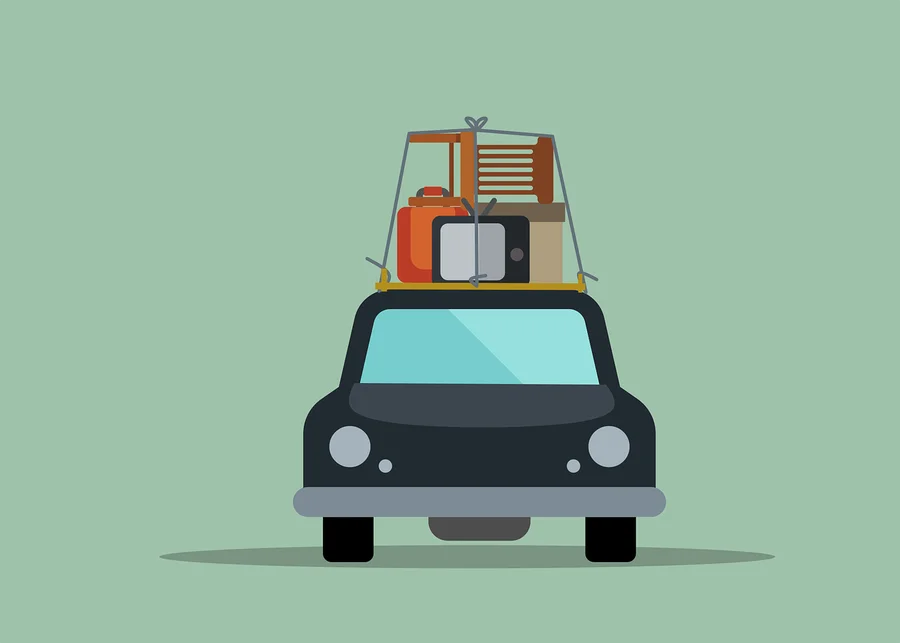
Photo by Mohamed_hassan on Pixabay
Moving to a new home can be an exciting adventure, but it can also be overwhelming and stressful. With so many things to consider and tasks to complete, it's easy to feel lost and unsure of where to start. That's why we've compiled the ultimate moving checklist, to help you navigate your move with ease and confidence. From preparing for the move to packing and settling into your new home, this comprehensive guide will provide you with all the information and tips you need to make your move a success.
Preparing for the Move
Before the actual moving day arrives, there are several important tasks you need to complete to ensure a smooth transition to your new home. Here are some essential hacks to help you prepare for your move:
1. Determine the Logistics
Before you begin planning your move, it's important to determine whether you will be moving yourself or hiring professional movers. Consider the size of your move, the distance you will be traveling, and your budget when making this decision. Hiring professional movers can save you time and effort, but it may also be more expensive. On the other hand, moving yourself can be more cost-effective, but it requires more planning and physical labor.
2. Create a Moving Timeline
Creating a moving timeline is crucial to ensure that you stay organized and complete all necessary tasks on time. Start by listing all the tasks you need to accomplish before, during, and after the move. This includes everything from canceling utilities at your current home to packing and unpacking your belongings. Breaking down the moving process into smaller, manageable tasks will help you stay on track and reduce stress.
3. Set a Budget
Moving can be expensive, so it's important to set a budget to avoid overspending. Consider all the costs associated with your move, including packing supplies, moving services, transportation, and any additional fees. Research different moving companies and compare quotes to find the best option that fits within your budget. Setting a budget will help you make informed decisions and prioritize your expenses.
4. Declutter and Organize
Moving is the perfect opportunity to declutter and get rid of items you no longer need or want. Go through each room in your home and sort your belongings into three categories: keep, donate, and discard. Consider donating gently used items to local charities or selling them online to make some extra cash. Getting rid of unnecessary items will not only make your move easier but also help you start fresh in your new home.
5. Gather Packing Supplies
Before you start packing, gather all the necessary supplies to ensure a smooth and efficient process. This includes boxes in various sizes, packing tape, bubble wrap, packing paper, and markers for labeling. You can purchase these supplies from moving companies, hardware stores, or even find free boxes from local businesses. Having all the necessary packing supplies on hand will make the process much easier and more organized.
6. Notify Important Parties
Don't forget to notify important parties about your upcoming move. This includes your utility providers, insurance companies, healthcare providers, and any other service providers you use regularly. Update your address with the post office and notify friends and family of your new address. This will ensure that you receive your mail and important documents at your new home and that everyone knows how to reach you.
7. Plan for Special Items
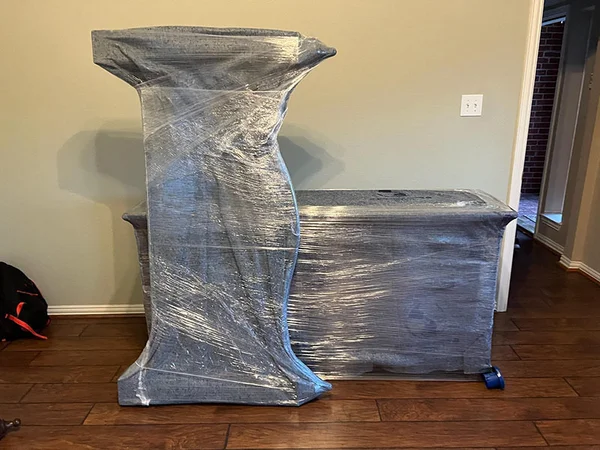
If you have special items that require extra care or attention during the move, make a plan for how to handle them. This includes fragile items like glassware, artwork, and antiques, as well as heavy furniture or appliances. Consider purchasing special packing materials or crates for these items to ensure their safe transport. It may also be necessary to hire professional movers with experience in handling delicate or heavy items.
8. Create an Inventory
Creating an inventory of your belongings before the move is essential for several reasons. It helps you keep track of what you have and ensures that nothing gets lost during the move. It also provides documentation for insurance purposes in case of any damage or loss. Take photos or videos of valuable items and make a detailed list of everything you own. This will make it easier to unpack and set up your new home.
9. Pack Strategically
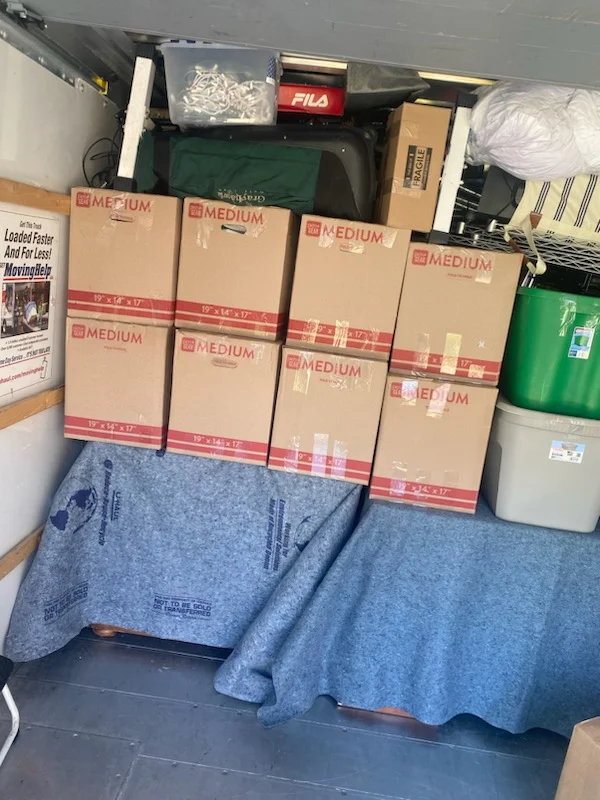
When it comes to packing, having a strategic plan can save you time and effort. Start by packing items you won't need until after the move, such as out-of-season clothes or rarely used kitchen appliances. Label each box with its contents and the room it belongs to. This will make it easier to unpack and locate specific items in your new home. Pack fragile items with extra care, using bubble wrap and padding to protect them during transit.
10. Take Care of Valuables
Make sure to pack and transport your valuables, such as jewelry, important documents, and electronics, separately from the rest of your belongings. Keep them with you during the move to ensure their safety. Consider using a lockbox or a secure bag for these items. It's also a good idea to make backup copies of important documents and store them in a safe place.
Packing and Moving Day
When moving day arrives, it's important to have a plan in place to ensure a seamless and efficient process. Here are some essential hacks for packing and moving day:
1. Pack an Essentials Box
Before you start packing, pack a box with essential items that you'll need on the first day in your new home. This includes toiletries, a change of clothes, bedding, important documents, and any other items you'll need immediately. Keep this box with you during the move to ensure easy access.
2. Use a Moving Checklist
Having a moving checklist on hand will help you stay organized and ensure that you don't forget any important tasks on moving day. This includes tasks such as disconnecting utilities, locking up your old home, and making sure all doors and windows are secure. Checking off each task as you complete it will give you peace of mind and help you stay on track.
3. Label Boxes Clearly
When packing, be sure to label each box clearly with its contents and the room it belongs to. This will make it easier for movers to place them in the correct rooms in your new home. It will also make the unpacking process much smoother and more efficient.
4. Protect Fragile Items
Take extra care when packing and transporting fragile items. Use bubble wrap, packing paper, or blankets to wrap delicate items and provide extra cushioning. Place these items in sturdy boxes and mark them as fragile. If possible, transport them yourself to ensure their safety.
5. Disassemble Furniture
If you have large furniture pieces, consider disassembling them before the move to make them easier to transport. Keep all screws and bolts in labeled bags and tape them to the furniture to ensure they don't get lost. Take photos or make diagrams of how to reassemble the furniture to make the process smoother.
6. Use Furniture Sliders
To make moving heavy furniture easier, use furniture sliders. These are small, smooth pads that you can place under furniture legs to slide them across the floor without scratching or damaging it. This will save you from having to lift and carry heavy furniture pieces.
7. Secure Drawers and Doors
Before moving any furniture with drawers or doors, make sure to secure them to prevent them from opening during transit. Use tape or plastic wrap to keep drawers and doors closed and to protect the contents inside.
8. Use Mattress Covers
To protect your mattresses during the move, use mattress covers or large plastic bags. These will keep your mattresses clean and free from dust, dirt, and moisture. Secure the covers with tape or ties to ensure they don't come off during transit.
9. Stack Boxes Strategically
When loading the moving truck, stack boxes strategically to make the most efficient use of space. Place heavier boxes on the bottom and lighter ones on top. Fill any gaps with smaller boxes or packing materials to prevent shifting during transit. This will help protect your belongings and make unloading easier.
10. Communicate with Movers
If you've hired professional movers, communicate with them throughout the process to ensure a smooth and efficient move. Provide clear instructions on where each box or piece of furniture should go in your new home. Be available to answer any questions or address any concerns they may have.
Settling into Your New Home
Once you've arrived at your new home, it's time to start the process of settling in. Here are some essential hacks to help you make your new space feel like home:
1. Unpack Essentials First
Start by unpacking the essentials box you packed earlier. This will ensure that you have everything you need for the first day and night in your new home. Set up your bed and bathroom essentials to make the transition more comfortable.
2. Set Up Utilities
Contact utility companies to ensure that your new home has all necessary services, such as electricity, water, and internet. Schedule appointments for installation or transfer of services to avoid any interruptions.
3. Clean Your New Home
Before unpacking and arranging your belongings, take the time to clean your new home thoroughly. This includes dusting, vacuuming, and wiping down surfaces. Cleaning your new space will make it feel fresh and welcoming.
4. Organize Room by Room
Rather than trying to unpack everything at once, focus on one room at a time. Start with the most important rooms, such as the bedroom and kitchen, and work your way through the rest of the house. This will make the process more manageable and less overwhelming.
5. Personalize Your Space
Make your new home feel like your own by adding personal touches and decorations. Hang up artwork, display family photos, and arrange furniture in a way that feels comfortable and inviting. Adding your personal style to your new space will help it feel like home.
6. Explore Your New Neighborhood
Take the time to explore your new neighborhood and familiarize yourself with the local amenities. Find out where the nearest grocery stores, parks, and restaurants are located. Getting to know your new surroundings will help you feel more connected to your new community.
7. Update Your Address and Information
Notify important parties of your change of address, including the post office, banks, insurance companies, and any other organizations or individuals that need your updated information. This will ensure that you continue to receive important mail and correspondence at your new home.
8. Meet Your Neighbors
Introduce yourself to your new neighbors and take the opportunity to start building connections in your new community. Join local groups or organizations to meet like-minded individuals and get involved in community activities. Building a network of friends and neighbors will make your new home feel more welcoming.
9. Take Your Time
Moving is a major life change, and it's important to give yourself time to adjust and settle into your new home. Take it one day at a time and be patient with yourself as you navigate this transition. Remember that it takes time to make a new space feel like home.
10. Enjoy Your New Home
Finally, take the time to enjoy and appreciate your new home. Celebrate your accomplishment and the start of a new chapter in your life. Take advantage of the opportunities and experiences that come with living in a new space.
Moving to a new home can be both exciting and challenging. By following these essential hacks and tips, you can ensure a smooth and successful move. From preparing for the move to packing and settling into your new home, each step is important in creating a positive moving experience. Remember to take your time, stay organized, and enjoy the process of making your new space feel like home.
Additional Credits & References:
This post was inspired by the following sources, Chap's Professional Movers, Upline Moving and the New York Times. These companies are exemplary in the information they provide, its companies like theirs that make the internet a more inclusive place.